The Silence
Was Deafening.
Before the meticulous studio architecture, before the international distribution networks, and long before the critical accolades, there was a profound and deeply unsettling vacuum in the British music industry. The mid-1990s were characterized by a massive corporate consolidation of independent labels. The raw, unfiltered grit that had historically defined the underground music scene was being systematically sanitized, compressed, and packaged for mass-market consumption by executives who viewed musicians not as artists, but as quarterly financial assets. The stereophonic landscape was becoming overwhelmingly sterile. Albums were no longer crafted as holistic journeys; they were mathematically optimized collections of singles designed to trigger immediate, ephemeral dopamine responses on commercial radio.
It was within this suffocating environment of cultural homogenization that Arelan Records was conceived. We did not start in a boardroom. We began in a damp, acoustically unforgiving basement in Northern England. Our founding members were a disparate group of disillusioned audio engineers, bankrupt session musicians, and obsessive vinyl collectors who recognized that if the industry refused to document the authentic, visceral sound of the underground, we would have to build the infrastructure to do it ourselves. We pooled our meager resources to acquire a decommissioned, violently heavy analog mixing console that had been discarded by a local broadcast station. It took six months of excruciating labor, soldering iron burns, and reverse-engineering schematics to bring that desk back to life. That console became the literal and metaphorical beating heart of our enterprise.
Our philosophy was forged in those early, sleep-deprived tracking sessions. We established a mandate that remains entirely unbroken to this day: the performance dictates the production, never the inverse. We refused to utilize the primitive digital pitch correction tools that were beginning to plague the era. If a vocal take was flawed but emotionally devastating, it was printed to tape and celebrated. We embraced the hiss, the room resonance, and the volatile unpredictability of physical recording media. This uncompromising dedication to high-fidelity documentation immediately set us apart. We were not merely recording songs; we were capturing lightning in a bottle, preserving the kinetic energy of desperate, brilliant musicians fighting against the dying of the light. This is the genesis of the Arelan standard.
The Physical
Weight of Sound
As the late 1990s bled into the early 2000s, the recording industry underwent a rapid, almost hysterical transition to digital audio workstations. Tape machines were being thrown into dumpsters, and the tactile art of razor-blade tape splicing was replaced by the cold efficiency of the mouse click. Arelan Records viewed this paradigm shift not as an evolution, but as a tragic loss of sonic depth. Digital recording, in its infancy, suffered from a harsh, brittle high-end and a distinct lack of harmonic saturation. We made a highly controversial, financially perilous decision: we doubled down on analog technology. While competing labels were investing heavily in computer screens, we were traversing Europe buying up salvaged Studer and Ampex multitrack recorders, stockpiling obsolete magnetic tape, and hoarding rare vacuum tubes.
This rebellion was not rooted in blind nostalgia; it was anchored in objective acoustic physics. When sound waves hit magnetic tape, the medium introduces a subtle, musical compression and harmonic distortion that the human ear naturally interprets as "warmth." It glues the instrumentation together in a way that mathematical algorithms still struggle to replicate. By forcing our artists to record onto a limited number of physical tracks, we eliminated the paralysis of endless digital choices. Musicians had to rehearse rigorously. They had to commit to their performances in the room, playing together as a cohesive unit rather than assembling their songs grid-by-grid in isolation. This generated an undeniable urgency and kinetic energy in our masters that immediately distinguished an Arelan release from the plastic, quantized pop dominating the airwaves.
Our insistence on this methodology meant that the production process was slower, more expensive, and physically demanding. However, the critical reception of our catalog proved our thesis correct. Audiophiles and casual listeners alike were drawn to the immense soundstage, the thunderous transient response of our drum recordings, and the intimate, breath-like quality of our vocals. By swimming aggressively against the current of technological convenience, we established our studio not just as a business, but as a sanctuary for purists. We became a fortress where the ancient, sacred craft of capturing acoustic energy was preserved, studied, and pushed to its absolute limits.
The Acoustic Fracture
How a singular, chaotic album dismantled our internal assumptions and forced us to expand our architectural footprint.
In the winter of 2006, Arelan Records signed an avant-garde ensemble that fundamentally shattered our understanding of acoustic space. Until this point, we had prided ourselves on tight, dry, punchy recordings heavily influenced by 1970s studio techniques. This new act, however, demanded the opposite. They composed sweeping, terrifyingly dynamic instrumental pieces that required massive, uncontrolled reverberation to function. They wanted their record to sound like it was performed inside a collapsing cathedral. Our beloved basement facility, with its low ceilings and heavy acoustic dampening, was completely unsuited for the task. Rather than compromise their vision by applying artificial digital reverb—a cardinal sin under our manifesto—we realized that the label itself needed to physically mutate.
Location Recording as a Weapon
We acquired a mobile recording rig and relocated the entire production to an abandoned, cavernous textile mill in Yorkshire. For three freezing months, our engineers lived on-site, stringing thousands of feet of XLR cable through derelict hallways, positioning ambient microphones in elevator shafts, and using the building's decaying architecture as a physical instrument. The logistics were a nightmare of blown generators, freezing temperatures, and unpredictable ambient noise. Yet, the resulting album was a monolithic triumph. It captured a sense of spatial terror and beauty that was unprecedented in independent music.
The critical and commercial explosion that followed this release altered the trajectory of Arelan Records permanently. It proved that audiences were starved for auditory danger. They did not want perfection; they wanted an experience. The revenue generated by this single, anomalous record provided the capital required to finally leave our subterranean origins behind. It funded our migration to the capital, allowing us to conceptualize and construct a facility that could accommodate both the claustrophobic intimacy of a solo acoustic performance and the sprawling chaos of a full orchestral assault. We learned that the environment in which music is captured is just as critical as the instruments being played.
The London Citadel
Established 2011
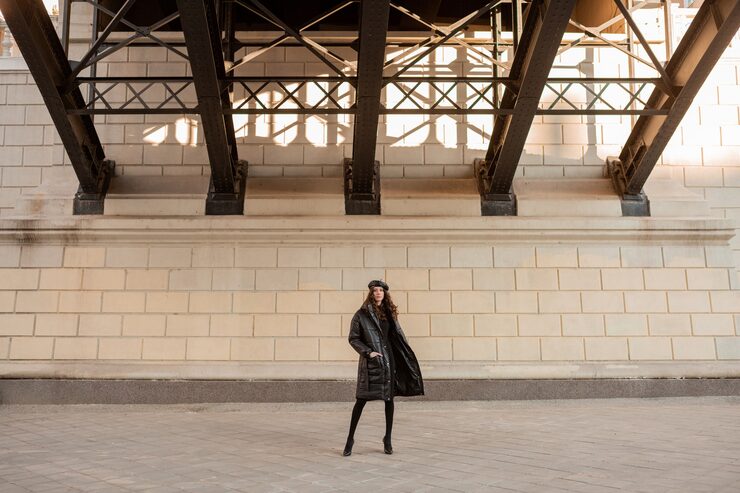
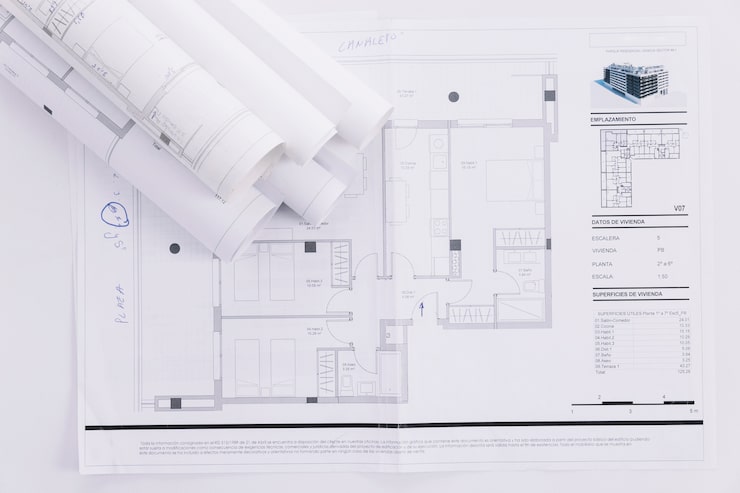
The construction of our flagship studio in London was an undertaking of obsessive, almost pathological acoustic engineering. We did not merely lease a commercial space; we gutted a brutalist concrete warehouse down to its steel skeleton and rebuilt it using the principles of non-environment room design. Our goal was absolute sonic neutrality in the control rooms, contrasted with heavily characterized, variable acoustic geometries in the live tracking spaces. To achieve this, the entire studio complex was built on a system of massive rubber isolators, essentially floating rooms within rooms, ensuring that the low-frequency rumble of the London Underground could never contaminate a delicate microphone signal. The amount of mass utilized in the drywall and acoustic dampening was so extreme that we had to reinforce the foundational pillars of the building.
The Live Room
Features 30-foot ceilings lined with custom-milled wooden diffusers. Capable of housing a 40-piece string section or providing enough natural decay to make a solitary snare drum sound like a cannon shot.
The Mastering Suite
An acoustically flawless environment devoid of parallel walls. Equipped with custom-built monitoring systems phase-aligned to perfection, ensuring translatability across all playback systems.
This facility became more than just a place of business; it evolved into a creative compound. By centralizing our operations, Arelan Records could now oversee every single aspect of the production pipeline under one roof. Artists could write in the B-room, track in the grand hall, mix on the SSL console, and walk down the corridor to have their masters cut for vinyl on the same day. This vertical integration drastically reduced external overhead and allowed us to maintain draconian quality control over our releases. It also served as a powerful psychological statement to our roster: when you enter the Citadel, the outside world ceases to exist. You are here to construct monuments, and we have provided you with the heaviest machinery on earth to do so.
Wax & Wire
The Defense of the Tangible Artifact
In the mid-2010s, as the industry heralded streaming as the ultimate savior of music consumption, physical sales plummeted to historic lows. Major labels shuttered their pressing plants, dismissing vinyl records and compact discs as antiquated novelties destined for landfills. Arelan Records, true to our contrarian nature, recognized this mass abandonment as a catastrophic miscalculation. Streaming platforms, while undeniably convenient, stripped music of its visual and tactile context. An album was reduced from a meticulously curated physical journey to a disposable thumbnail on a glass screen, surrounded by algorithmically generated distractions. We refused to let our artists' lifeblood be reduced to background noise.
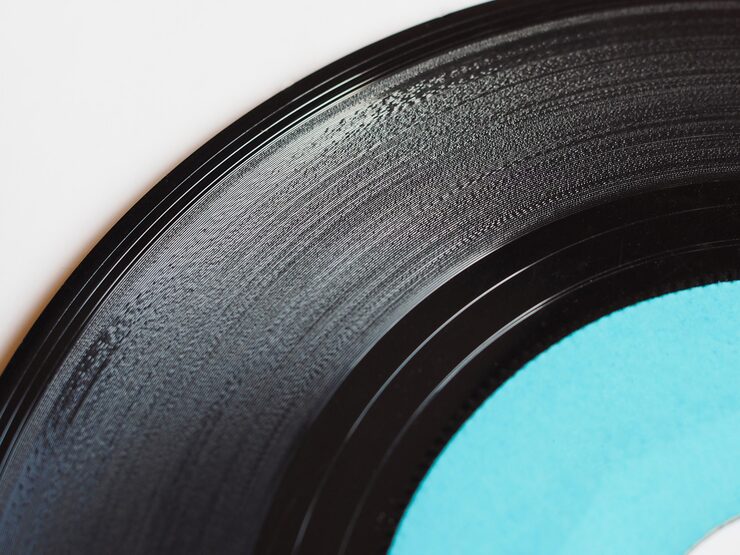
We launched a massive counter-offensive, redirecting our profits entirely into the supply chain of premium physical media. We partnered with specialized pressing plants across Eastern Europe, demanding heavy 180-gram virgin vinyl, audiophile-grade lacquers, and thick, tip-on gatefold jackets that resembled hardback books more than standard record sleeves. We viewed the album cover not as a mere marketing tool, but as a critical extension of the sonic narrative. We commissioned avant-garde painters, radical photographers, and brutalist graphic designers to craft visual packaging so compelling that consumers felt a psychological need to hold it in their hands. We transformed the act of listening back into an active, deliberate ritual.
This dedication paid unprecedented dividends. As consumer fatigue with the ephemeral nature of digital media set in, a massive resurgence in vinyl demand exploded globally. Because Arelan had never severed its physical supply chains, we were positioned at the absolute forefront of this renaissance. Our limited-edition pressings became highly sought-after cultural artifacts, frequently selling out on pre-order and immediately appreciating in value on secondary markets. More importantly, the robust profit margins of direct-to-consumer physical sales provided our artists with a sustainable income stream completely detached from the fractional penny payouts of the streaming oligarchs. We proved that if you respect the medium, the audience will respect the art.
Beyond the Console
Cultural
Impact

A record label cannot survive on acoustics alone; it must embed itself deeply within the cultural fabric of its era. Arelan Records was never intended to be merely a manufacturer of audio products. We envisioned it as a nexus point for broader counter-cultural movements. Over the past decade, we have aggressively expanded our purview beyond the studio, facilitating cross-disciplinary collaborations that elevate our musicians into the realm of comprehensive performance art. We do not just book tours; we curate immersive, multi-sensory exhibitions. We have staged full-album playbacks in total darkness inside planetariums, coordinated guerrilla light-projection campaigns on the facades of corporate bank headquarters, and funded independent film scores that bypass traditional studio systems entirely.
Our artist development philosophy is notoriously grueling. We do not sign acts based on viral social media metrics or ephemeral internet trends. We scout for individuals who possess a frightening level of obsession regarding their craft. When an artist joins the Arelan roster, they undergo a period of intense ideological and aesthetic incubation. We strip away the superficial pressures of the modern industry and force them to confront the absolute core of their artistic intent. We provide access to dialectical coaches, visual historians, and choreographers. We treat popular music with the same intellectual rigor historically reserved for high art or classical composition.
This relentless pursuit of depth has resulted in a roster that operates outside the standard industry lifecycle. Our artists do not burn out after a single successful single; they construct decade-spanning discographies that evolve, mutate, and continually challenge their audience. The community that has coalesced around Arelan Records is fiercely loyal. They trust the label's curation implicitly, purchasing releases unheard because they understand that our logo stamped on a spine is an absolute guarantee of quality, intensity, and uncompromising vision. We have cultivated an ecosystem where art is allowed to be dangerous, difficult, and profoundly beautiful.
The Ironclad Mandate
Operational Transparency & Artist Sovereignty

Financial Emancipation
The history of music is littered with the corpses of brilliant musicians who were financially eviscerated by predatory contracts. Arelan operates on a strict doctrine of economic equity. We instituted the 50/50 net profit split model long before it became a talking point for industry reformists. We abolish hidden breakage fees, archaic packaging deductions, and cross-collateralization traps. Our artists receive comprehensive, mathematically transparent accounting statements every quarter. We operate on the fundamental belief that a financially secure artist is a fearless artist, capable of taking the immense creative risks required to push the culture forward.
Master Ownership
The concept of a corporation owning the eternal rights to a human being's emotional expression is fundamentally grotesque. While we invest vast sums of capital into the recording, manufacturing, and marketing of an album, we do not demand eternal servitude in return. Arelan agreements utilize a strict licensing model. After an agreed-upon, equitable period of time that allows us to recoup our substantial investments and turn a fair profit, the physical master rights revert entirely back to the creator. We are custodians of the work, not its permanent overlords. This policy ensures generational wealth for the artist, not just the executive board.

Creative Immunity
Our A&R department does not interfere with the artistic process once a project is greenlit. We provide the tools, the budget, and the technical expertise, but the final cut belongs exclusively to the musician. There are no focus groups, no algorithmically driven marketing notes dictating song structures, and absolutely no pressure to conform to current radio formats. If an artist decides their next release is a thirty-minute ambient drone piece, we apply the exact same massive promotional machinery and physical manufacturing excellence as we would to a hook-driven rock anthem. True independence requires total creative immunity.
We Are Still
Building.
As we navigate through 2026, the technological landscape of audio creation is facing its greatest existential threat yet: the rapid proliferation of generative artificial intelligence seeking to automate the human soul out of the composition process. Arelan Records stands as an immovable bulwark against this automation. Our history is not a museum exhibit; it is a tactical blueprint for survival. We will continue to expand our physical footprint, open new recording sanctuaries, and scour the globe for the most authentic, damaged, and brilliant voices. We are committed to the noise, the tape hiss, the sweat, and the irreplaceable majesty of human error. The architecture of pure sound requires human hands. Our story is far from over; the tape is still rolling.